
Evaluation of Coating Performance and Durability
Background
This article presents measurements of friction coefficients and roll-off angles as ways to assess the performance and durability of coated surfaces.
Problems to be solved
Fingerprints, makeup stains, and higher finger-slip resistance affect the usability of smartphone and tablet screens. Films and coatings are applied to mitigate these problems, but a quantitative way to compare and assess their effectiveness is required.
Friction measurements provide a quantitative assessment of slip-resistance by comparing the coating's friction coefficient with that of the underlying surface. Furthermore, tracking changes in the friction coefficient with repeated sliding allows evaluation of the durability of coating films. Roll-off measurements evaluate adhesion between a solid surface and a liquid by measuring the angle at which a droplet rolls off the surface, which can serve as an indicator of liquid removability and stain resistance. This paper presents examples of evaluations of coating film performance and durability using our tribometer and contact angle meter.
Measurements and results
We prepared smartphone glass films coated with a coating agent and measured their coefficient of friction and roll-off angle relative to untreated samples. For roll-off angle measurements, we used a 20 µL solution volume and defined the roll-off angle as the point at which both ends of the droplet moved 1 mm from the horizontal position. The results showed that the coated samples had lower roll-off angles and lower calculated adhesion energies than the untreated samples (Figure 1), indicating improved liquid removal and stain resistance.
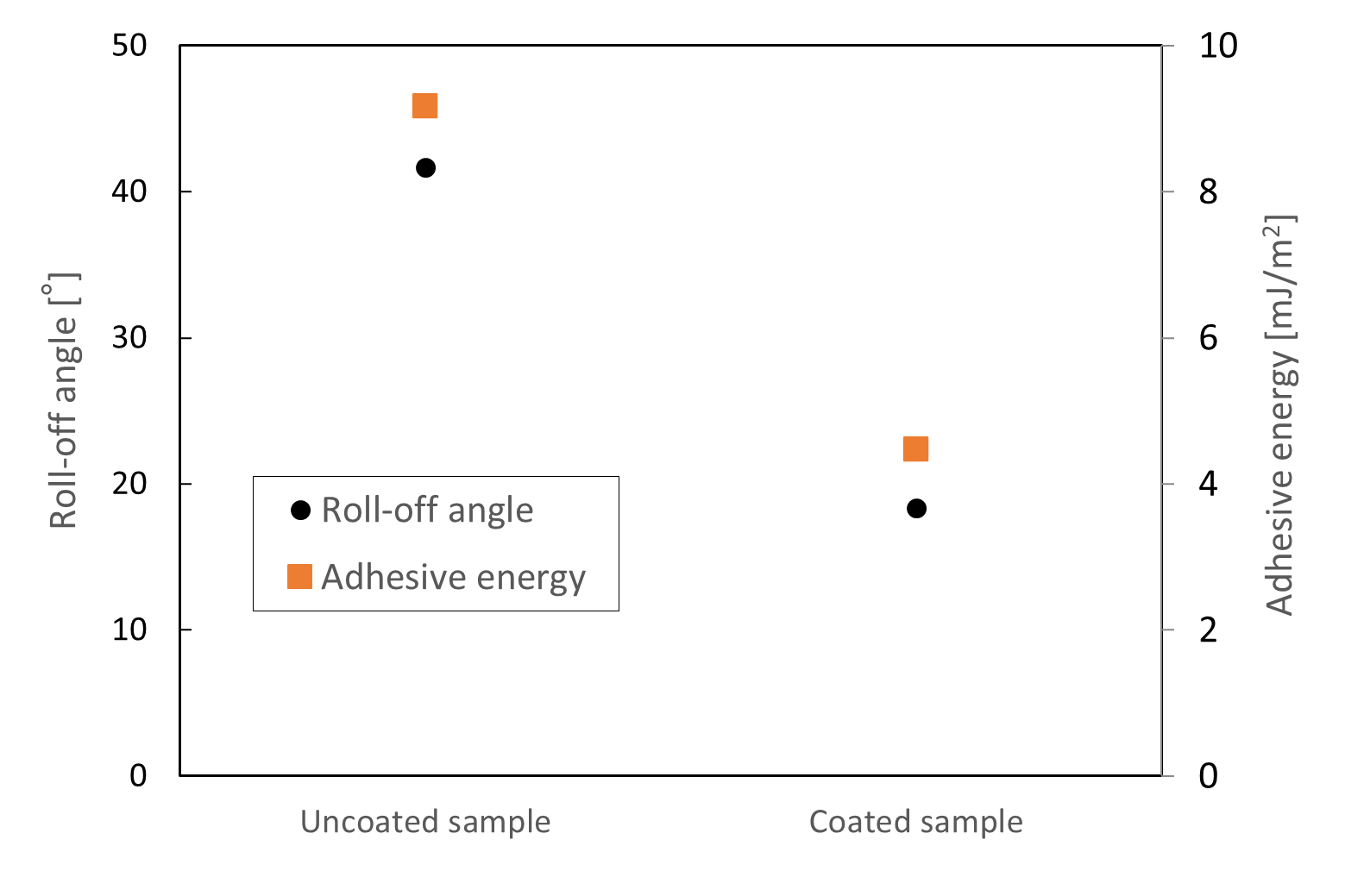
Figure 1 – Roll-angle and adhesive energy
Friction measurements (100 g load, 80 mm/s travelling speed, one-way measurement) showed that the coated samples had a lower dynamic friction coefficient than the untreated samples, confirming improved slipperiness (Figure 2). We also performed 200 consecutive repetitions at the same location on the coated samples to evaluate changes in the friction coefficient. Although the friction coefficient increased with the number of sliding cycles, it remained lower than that of the untreated samples even after 200 sliding cycles, indicating the coating's effectiveness.
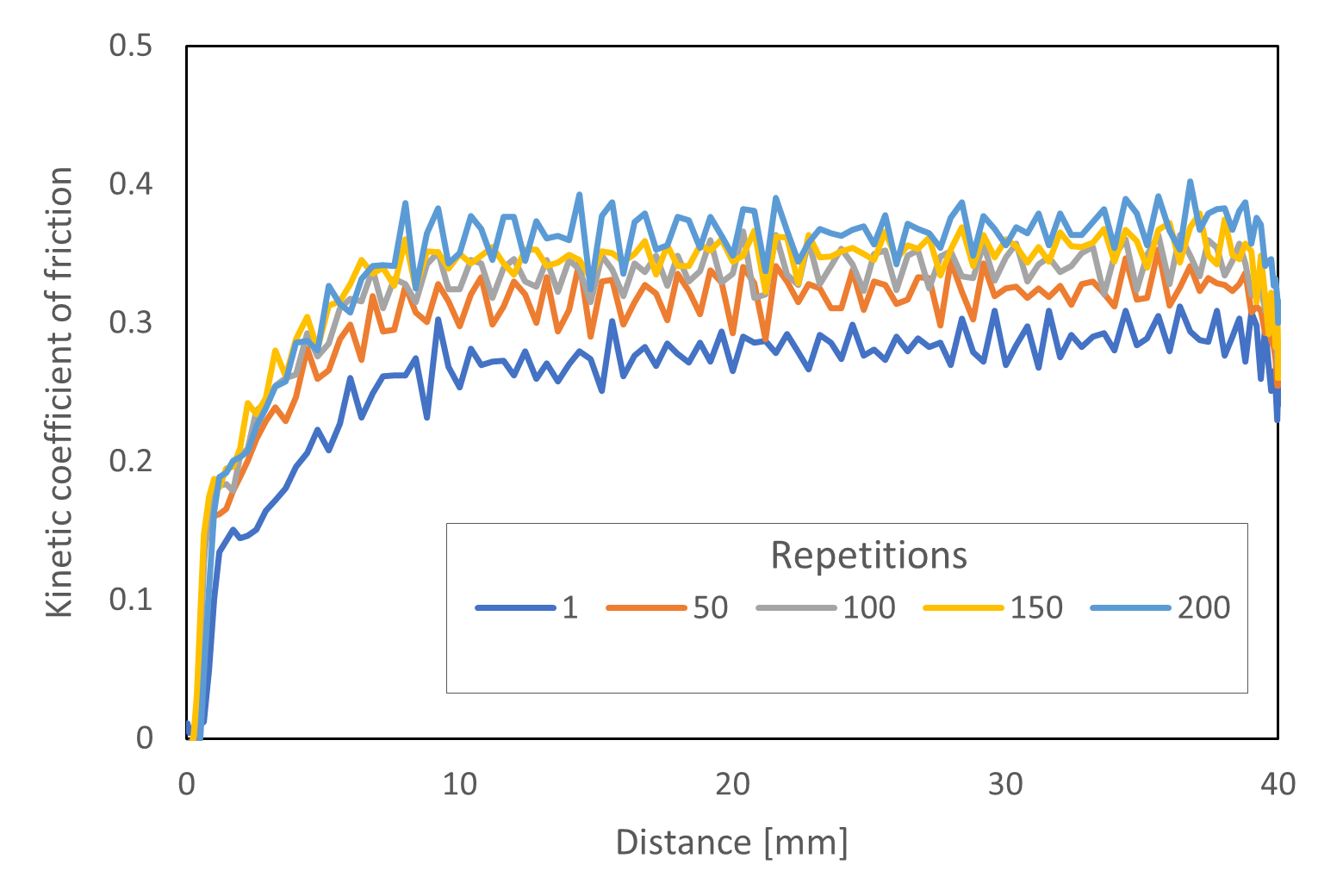
Figure 2 – Change of the kinetic coefficients of friction with repetitions
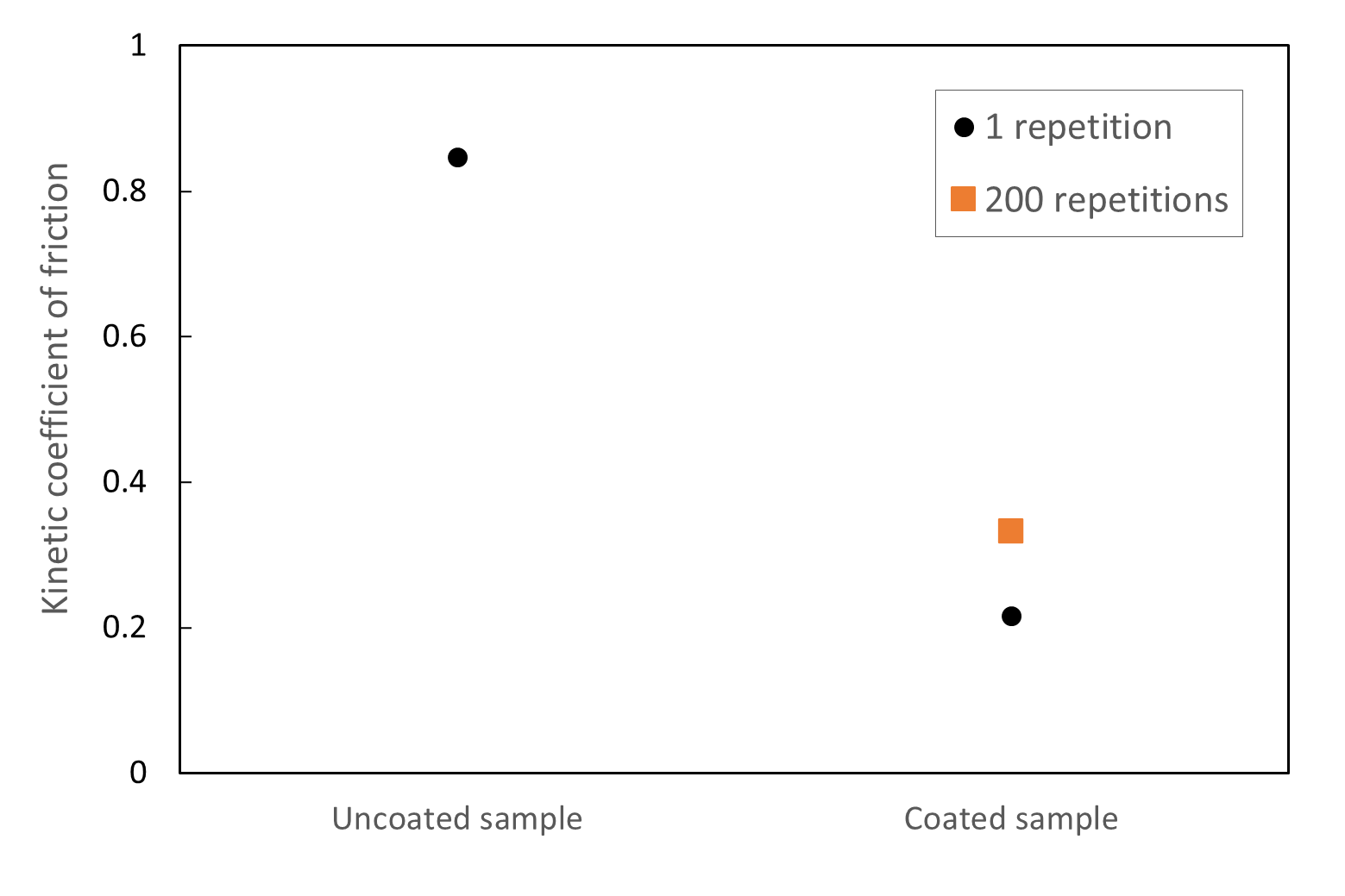
Figure 3 – Comparison of the uncoated and coated surface
Conclusion
This case study showed that measuring friction and sliding angles is effective for assessing slip resistance, antifouling features, and coating film durability. Despite performing 200 repetitions in this study, our Triboster TSf-503 can handle up to 10,000, making it suitable for durability testing with high repetitions and for simulating real-world conditions.
Related Products
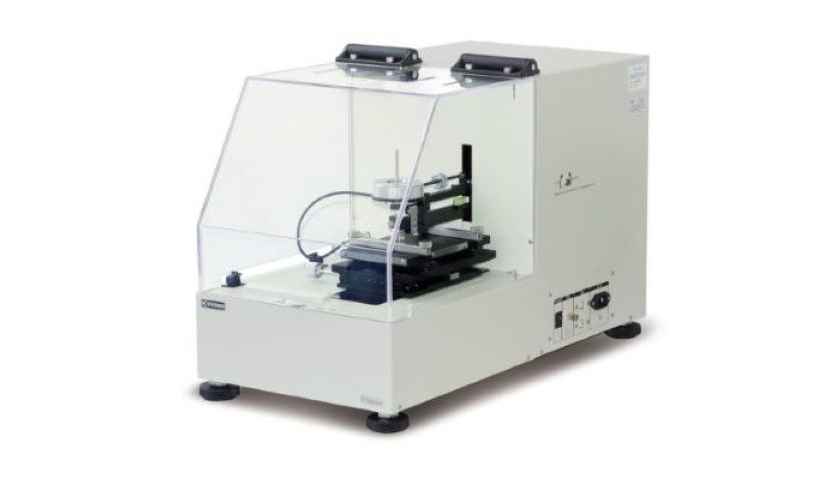
TSf-503
- Friction Tester
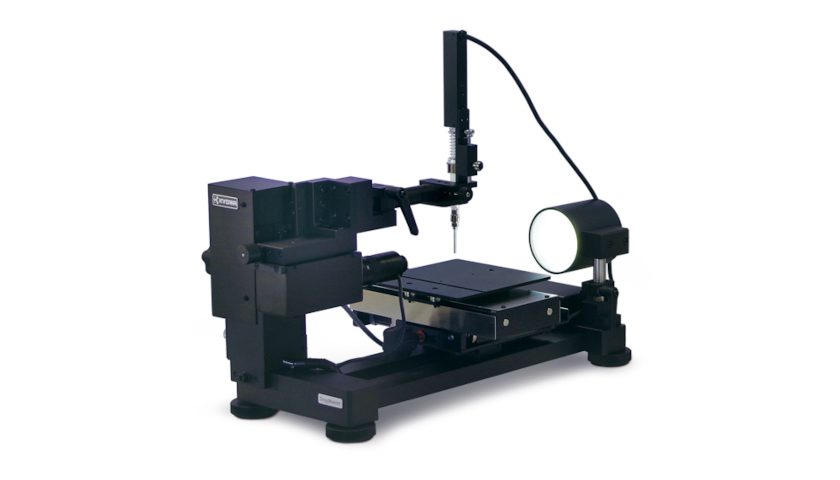
DMo series
- Versatile Contact Angle Meter
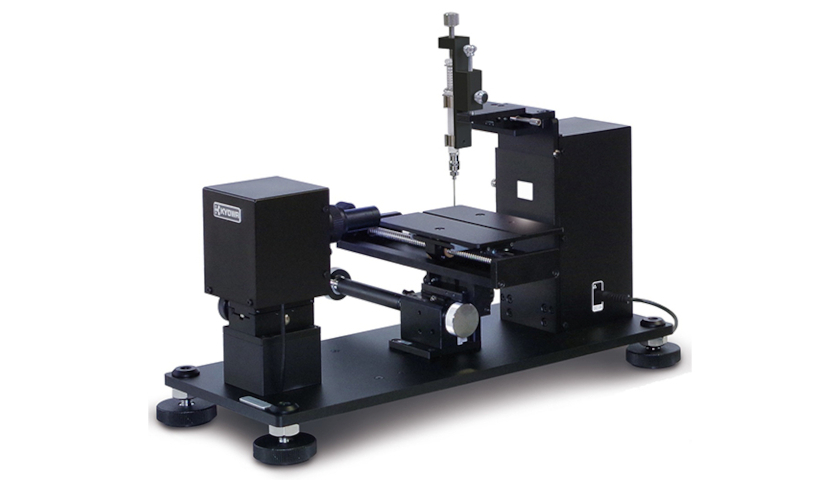
DMs-401
- Basic Contact Angle Meter
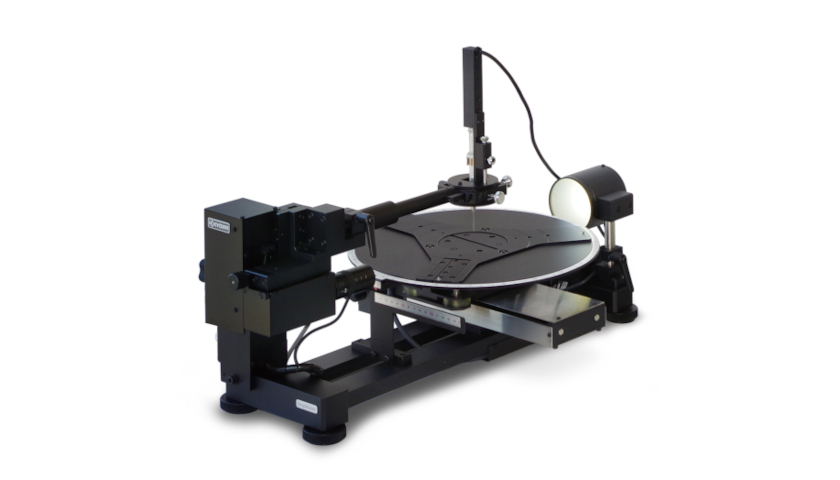
DMo-WA series
- Wafer Contact Angle Meter
to learn more about our company's history

to learn more about our company's products