
Interface Science
Understanding the physical properties, such as surface tension, contact angle, and wetting behavior, is essential for modern material development and manufacturing. From optimizing adhesion and coatings to managing liquid-solid interactions, we provide the technical foundations and advanced instrumentation required to master interfacial phenomena.
Principles
This section provides an introduction to surface science, its measurements, and theories as they relate to interfacial phenomena. By exploring the fundamental mechanisms that govern material interactions, we can better understand the underlying physics behind experimental data. The following concepts represent the core pillars of our analytical approach, bridging the gap between theoretical research and practical industrial application.
Steps in coating processes
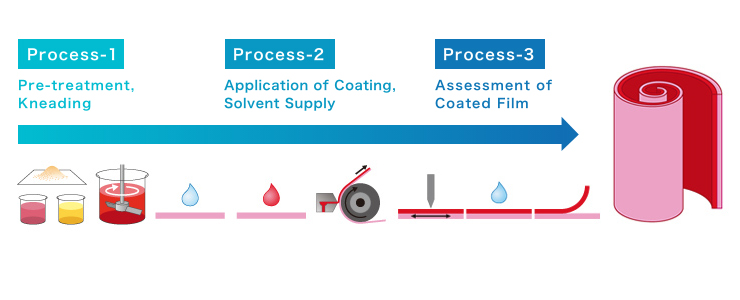
Pre-treatment, Kneading
Development and production of coatings: Blending of ingredients such as powders, resins, and solvents.
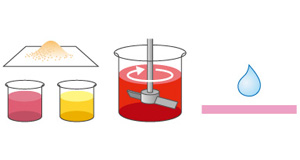
- Wettability of powders with resins, solvents, and water
- Dispersibility and stability of colloidal solutions
- Solubility of resins and additives
- Surface tension of the coating liquid
Application of the Coating, Solvent Supply
Observation and evaluation of the dynamic behavior of coating liquids.
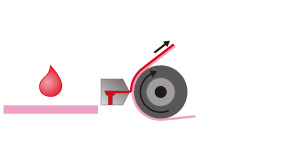
- Dynamic wettability of substrates by coating liquids
- Dynamic surface tension of coating liquids
- Foamability and foam stability of coating liquids
Assessment of the Coating Film
Evaluation of the properties of the coating film.
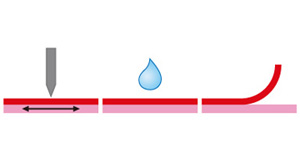
- Adhesive properties & surface free energy
- Peel & adhesion properties
- Antifouling properties, hydrophobicity, hydrophilicity
- Frictional wear resistance
to learn more about our company's history

to learn more about our company's products